Moonnight: A Font That Balances Whimsy and Purpose
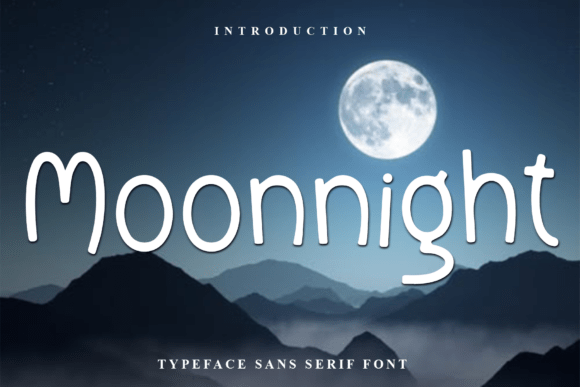
In the world of modern typography, finding a creative font that stands out without becoming illegible is a common challenge for designers. We often have to choose between a sterile, functional sans serif font and an overly decorative script font that limits our creative scope. However, Moonnight offers a compelling middle ground. It is a premium font characterized by its soft, eye-catching strokes and a unique personality that feels both organic and intentional. Unlike standard serif fonts that rely on rigid structure, Moonnight brings a natural, fluid quality to the text, making it an invaluable asset in a designer’s toolkit.
Visually, Moonnight is defined by its distinctive character. The strokes possess a gentle weight, avoiding the harshness of geometric typefaces while maintaining enough definition to ensure clarity. This balance makes it a versatile typeface suitable for various contexts. It captures the intimacy of a handwritten font but cleans it up for professional application. Whether you are working on logo design for a boutique brand or creating social media graphics that need to stop a scrolling thumb, Moonnight provides the visual flair necessary to make an impact without sacrificing the message's integrity.
Where Moonnight Fits in Your Creative Workflow
Understanding where to deploy a specific typeface is just as important as selecting it. Because of its soft yet distinctive nature, Moonnight excels in projects that require a human touch. For packaging design, particularly in the food, beauty, or lifestyle sectors, this font helps establish an immediate emotional connection with the consumer. It suggests craftsmanship and care, which can significantly influence purchasing decisions. When used in editorial design, such as magazine headers or pull quotes, Moonnight draws the eye and breaks up the monotony of body text, guiding the reader through the layout with visual cues.
Furthermore, the digital landscape is perfectly suited for Moonnight’s aesthetic. In web design, headers set in this typeface can soften a corporate interface, making a website feel more approachable and user-friendly. For entrepreneurs and small business owners building a brand identity, consistency is key. Moonnight is compatible with various applications, including Windows and open-source platforms, ensuring that your typography remains consistent across all digital touchpoints. This cross-platform reliability means you can use it confidently in email marketing campaigns, website headers, and digital advertisements without worrying about rendering issues.
Strategic Typography: Influence on Perception and Engagement
Typography does more than display words; it shapes how those words are perceived. Choosing Moonnight for your next project can influence the viewer's subconscious association with your brand. A font with soft, rounded characteristics often evokes feelings of warmth, friendliness, and creativity. For marketers and content creators, this psychological trigger is vital. When your audience encounters a visual hierarchy that uses Moonnight for headlines, they are more likely to view the content as engaging and less intimidating than text set in a stark, industrial typeface.
Readability is another critical factor that Moonnight handles well. While some decorative fonts sacrifice legibility for style, Moonnight maintains a clear distinction between characters. This makes it an excellent choice for medium-length text blocks, such as product descriptions or event invitations. It supports the visual hierarchy by providing a strong contrast against a simple sans serif font used for body copy. This font pairing strategy allows you to maintain professionalism while still showcasing a distinct personality. It ensures that your message is not only seen but also easily absorbed by a diverse audience ranging from young adults to seasoned professionals.
Practical Guidance for Implementation
Before integrating Moonnight into your next design asset, it is wise to evaluate the project's specific needs. Start by reviewing the included styles and weights. Does the variation you have chosen maintain legibility at the size you intend to use? For logo design, test the font at both large scales and very small sizes—such as on a business card or a favicon—to ensure the "soft, unique touch" does not blur into illegibility. This testing phase is crucial for ensuring that the font enhances rather than hinders the user experience.
Next, consider your font pairing strategy. Moonnight acts as a strong display element, so it pairs best with a neutral, clean counterpart. If you are designing a brochure, try using a geometric sans serif for the body text to let Moonnight’s distinctive strokes shine in the headlines. For commercial font usage, always double-check the licensing terms. Ensure that the license covers your intended application, whether it is for a client’s merchandise, digital products, or print media. Proper licensing protects your work and ensures that you are using the typeface ethically within the design community.
Finally, think about the longevity of your design. Trends in modern typography come and go, but fonts that offer genuine utility and charm tend to stick around. Moonnight is not just a passing fad; its versatility across crafts, digital media, and print makes it a sustainable choice. By focusing on how the font complements your overall message rather than just following a trend, you create designs that remain relevant and effective for years to come. Whether you are a hobbyist scrapbooking a memory or a publisher laying out a new series, Moonnight offers the flexibility and character needed to elevate your work.