Lemert Morlet: The Display Font with a Lively, Hand-Drawn Spirit
More Than Just Letters: Understanding the Font's Character
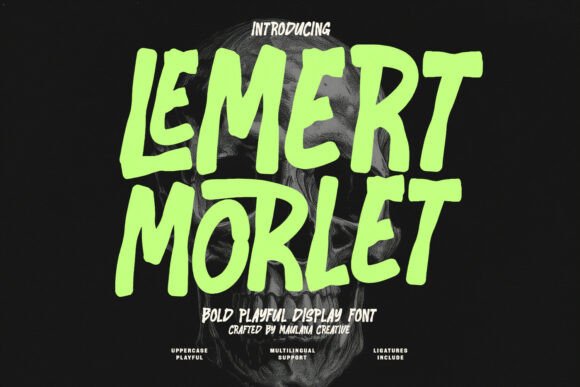
When you first encounter Lemert Morlet, you’re not just seeing a set of characters; you’re meeting a personality. This isn't a sterile, geometric sans serif or a formal, traditional serif font. It’s a display font built for moments that demand attention and energy. Think of its visual style as a confident, hand-drawn shout rather than a polite whisper. The defining traits are its thick strokes and irregular, organic shapes. Each letter feels like it was sketched with a steady but expressive hand, avoiding the perfect uniformity of machine-made type. This gives Lemert Morlet a spontaneous, creative, and genuinely fun personality. It’s a premium font that understands its role: to inject life into a project, not to fade into the background of body text.
The appeal lies in this very human imperfection. In a digital landscape saturated with clean, predictable typography, a font like this stands out. It feels approachable and authentic, which can be a powerful tool in modern typography. The included full set of uppercase letters, numerals, and punctuation, along with unique ligatures, aren’t just technical features—they’re what allow the font to maintain its fluid, custom feel across an entire headline or social media caption. The ligatures, in particular, help the characters connect in a way that mimics natural handwriting, enhancing that sense of a single, continuous creative thought. This makes it a versatile design asset for anyone looking to move beyond standard font pairing conventions.
Where Lemert Morlet Truly Shines: Practical Applications
Knowing a font's personality is one thing; knowing where to deploy it is where the real strategy comes in. Lemert Morlet is a creative font engineered for high-impact, short-form communication. Its bold, energetic nature makes it a natural fit for headings and titles where you need to establish a strong visual hierarchy immediately. Imagine a blog post title that pulls a reader in, a poster for a local festival that vibrates with excitement, or the hero text on a landing page for a creative workshop. In these contexts, the font does more than label; it sets the entire emotional tone for the project.
For brand identity, especially for businesses and creators that want to project approachability, creativity, and a bit of playful confidence, this typeface is worth considering. It could be the cornerstone of a logo for a boutique bakery, a craft brewery, or an independent design studio. Its hand-drawn quality suggests craftsmanship and a personal touch, which can significantly influence brand perception. In packaging design, it can make a product feel artisanal and special. For social media graphics, it’s a powerhouse. A bold, lively font like Lemert Morlet can stop the scroll, making your quotes, announcements, or promotional posts far more engaging than text set in a generic font. Its energy translates perfectly to the fast-paced, visual feed of platforms like Instagram or Pinterest.
Beyond digital, think about editorial design for magazines or zines, where a striking drop cap or a section header can break up the page and guide the reader's eye. In web design, it can be used sparingly for key calls-to-action or feature titles to create memorable moments. For personal projects—like designing invitations, creating custom merchandise, or developing a standout resume header—it offers a way to inject genuine personality. The key is recognizing its strength as a display font; it’s designed for the spotlight, not for the supporting cast of long paragraphs.
Smart Integration: Choosing and Using This Typeface Wisely
Adopting a creative font like Lemert Morlet requires a thoughtful approach to ensure it enhances rather than overwhelms your project. The first step is always evaluating fit. Does the playful, energetic vibe of the font align with your project's core message and audience? A serious financial report might not be the best home for it, but a children's book cover, a music festival lineup, or a vibrant startup's website could be perfect. Always consider the audience engagement you're aiming for. This font leans towards a demographic that appreciates creativity and informal energy, which aligns well with many adults in the 20-50 range, from marketers and bloggers to hobbyists and small business owners.
Next, think about font pairing. Because Lemert Morlet is so distinct, it often works best when paired with a more neutral, quiet companion. A clean sans serif font or a simple, readable serif font for body text can provide a necessary counterbalance. This contrast creates a clear hierarchy and ensures readability. You wouldn’t want to set a full paragraph in Lemert Morlet; its irregular shapes, while beautiful, can reduce readability at length. Use it for headlines, subheads, or pull quotes, and let a more subdued typeface handle the heavy lifting of body copy. This practice is fundamental in web design and editorial design for maintaining a professional yet engaging layout.
Before committing, take the time to review all the included styles and characters. Test the ligatures to see how they behave in your specific words. Check its multilingual support if your audience is global. From a practical standpoint, verify the commercial font licensing. Most reputable foundries offer clear licenses for desktop, web, and app use—choose the one that matches your project's needs, whether it's a personal blog or a commercial product line. Ultimately, Lemert Morlet is a powerful tool in your design assets toolkit. Like any tool, its value comes from knowing when and how to use it effectively to build a stronger, more resonant visual communication.