Mirella: A Serif Font with Bold, Minimalist Confidence
There's a moment in every design project where the typeface either elevates the concept or quietly undermines it. After years of working with clients across branding, publishing, and digital media, I've learned that choosing the right serif font often determines whether a design feels polished and intentional or flat and forgettable. That's exactly why Mirella caught my attention — and why it deserves a closer look from anyone serious about their visual communication.
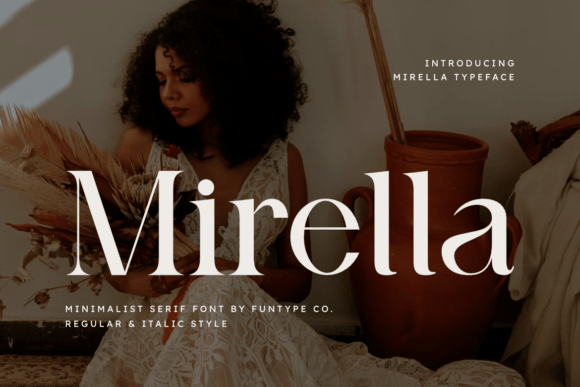
Mirella is a premium font that walks the line between classic elegance and contemporary boldness. It's not trying to be everything to everyone, and that restraint is precisely what makes it so effective. The high-contrast strokes — those dramatic differences between thick and thin lines — give it a commanding presence without sacrificing readability. The letterforms are refined, with clean geometry that feels modern rather than ornamental. There's a quiet confidence built into every curve and terminal.
What Makes Mirella Stand Out
Typography is about personality. A typeface communicates tone before a single word is read, and Mirella speaks with authority. Its minimalist structure strips away unnecessary flourishes while retaining the warmth and gravitas that serif fonts are known for. The result is a display font that feels both luxurious and approachable — a combination that's harder to achieve than most people realize.
When I first set a headline in Mirella, the difference was immediate. The letter spacing felt natural, the weight distribution was balanced, and the overall composition had a sophistication that didn't require additional design elements to carry it. For anyone working on logo design or brand identity projects, that kind of built-in elegance saves time and reduces the temptation to overdesign.
It's worth noting that Mirella comes in both OTF and TTF formats, which means compatibility isn't a concern. Whether you're working in Adobe Creative Suite, Figma, Canva, or any other design platform, the files will integrate smoothly. That practical detail matters more than people think — nothing stalls a project faster than format headaches.
Where Mirella Works Best
I've seen this typeface perform beautifully across a surprisingly wide range of applications. Here's where it truly shines:
- Editorial design: Magazine covers, book titles, and feature spreads benefit enormously from Mirella's high-contrast structure. It commands attention on a page without competing with imagery.
- Luxury branding: If your brand identity leans toward premium positioning — think fashion, jewelry, beauty, or hospitality — this font reinforces that perception instantly.
- Packaging design: Product labels and boxes need typography that communicates quality at a glance. Mirella delivers that impression reliably.
- Web design: Used strategically for headings and hero text, it brings a refined quality to digital layouts that many sans serif alternatives can't match.
- Social media graphics: Bold, legible, and visually distinctive — exactly what you need to stop someone mid-scroll.
For logo design specifically, Mirella offers something valuable: it's recognizable without being trendy. Trends in typography come and go, but a well-crafted serif with strong bones ages gracefully. I've recommended it to clients building brands they want to last a decade or more, and it consistently holds up under that kind of scrutiny.
Pairing Mirella with Other Fonts
One of the most practical aspects of working with any serif font is figuring out what to pair it with. Mirella's clean, high-contrast design makes this surprisingly straightforward. It plays well with a range of complementary typefaces:
- With a geometric sans serif: Pair Mirella headings with a clean sans serif like Montserrat or Futura for body text. The contrast creates a natural visual hierarchy without feeling disjointed.
- With a subtle script font: For wedding invitations, editorial layouts, or feminine branding, combining Mirella with an understated handwritten font or script font adds personality without clutter.
- With a monospaced typeface: This unexpected combination works well for tech brands or modern typography projects that want to blend editorial sophistication with a slightly unconventional edge.
The key is to let Mirella do the heavy lifting as the primary display typeface while supporting it with something more neutral for longer text passages. That balance keeps your design grounded and readable.
Readability and Visual Hierarchy
Let's talk about something that doesn't get enough attention: how a font influences the way people actually consume your content. Mirella's letterforms are designed with clarity in mind. The counters — the enclosed spaces inside letters like "e," "o," and "a" — are open enough to maintain legibility even at smaller sizes. That said, like most high-contrast serifs, it reads best at larger point sizes. Using it for body copy in long-form articles isn't where it excels. Instead, reserve it for headings, subheadings, pull quotes, and display text where its strengths are fully visible.
When building visual hierarchy, Mirella gives you a reliable anchor. A bold headline set in this typeface immediately tells readers what matters most. Pair that with a lighter, more neutral body font, and your layout naturally guides the eye from the most important information down to supporting details. That's not just good design — it's a practical strategy for improving audience engagement.
Evaluating Whether Mirella Fits Your Project
Not every font works for every project, and honest evaluation saves you from costly redesigns later. Ask yourself a few questions before committing:
- Does your brand or project lean toward sophistication, confidence, and minimalism? If yes, Mirella is a strong candidate.
- Are you designing primarily for display use — headlines, logos, titles? This font is built for that purpose.
- Do you need a commercial font with broad licensing? Check the specific license terms included with your purchase to ensure they cover your intended use, whether that's client work, merchandise, or digital products.
- Have you tested it with your existing design assets? Set a few mockups before finalizing your choice. Seeing a font in context always reveals more than viewing it in isolation.
I'd also recommend reviewing the included styles and weights carefully. Understanding what's available in the package helps you plan your typographic system more effectively and avoid surprises mid-project.
Building a Stronger Brand Identity
Typography is one of the most overlooked elements of brand identity, yet it's one of the most powerful. The fonts you choose become synonymous with how people perceive your business. A consistent, well-chosen typeface like Mirella builds recognition over time. When someone sees your headlines, your packaging, or your social posts, the typography becomes part of the brand experience itself.
For entrepreneurs and small business owners especially, investing in a quality creative font is one of the highest-return decisions you can make for your visual presence. It doesn't require a massive budget or a design agency — just thoughtful selection and consistent application.
Mirella gives you a versatile, refined tool that works across contexts without losing its character. Whether you're launching a new brand, refreshing an existing one, or simply looking for a display font that brings genuine sophistication to your work, it's worth serious consideration. Test it, pair it, and see how it transforms your next project.