Retro Pinky: The Ultimate Groovy Display Typeface
When you’re building a brand, the typography you choose does more than just convey words; it sets the entire mood. Enter Retro Pinky, a font that doesn't just sit on the page—it dances. In a digital landscape often dominated by minimalist sans serif fonts and rigid grids, this typeface offers a breath of fresh air. It’s bold, it’s chunky, and it carries a DNA that is undeniably groovy. But calling it merely "retro" would be an understatement. Retro Pinky is a carefully crafted blend of vintage charm and modern cuteness, designed to capture attention and hold it with a wavy, artistic embrace.
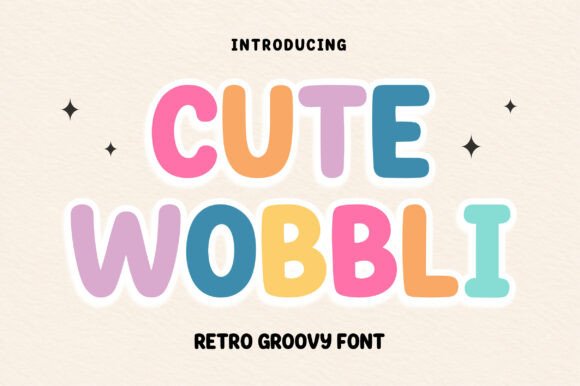
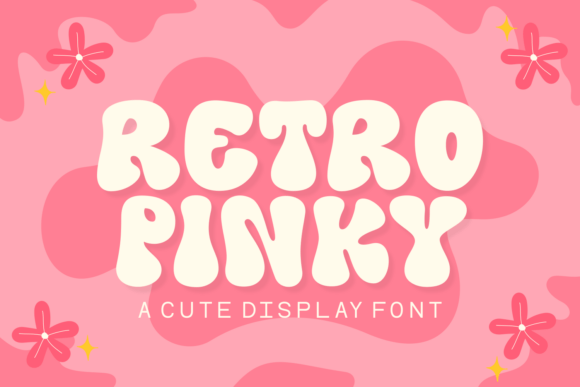
At its core, this premium font is a display typeface, meaning it’s built for impact. You wouldn't use it to write a novel, but for headlines, logos, and branding elements, it is an absolute powerhouse. The visual characteristics are distinct: thick strokes, rounded terminals, and a playful "wobble" that gives the text a sense of movement. It radiates warmth and cheerfulness, making it an ideal choice for anyone looking to inject personality into their work. Whether you are a designer, an entrepreneur, or a content creator, understanding how to harness the energy of Retro Pinky can transform a standard project into something truly memorable.
The Anatomy of Groovy: Visual Style and Appeal
What makes Retro Pinky stand out in a sea of creative fonts? It comes down to the details. The typeface features a "chunky" DNA, meaning the letterforms are substantial and heavy. This gives it excellent presence, ensuring that your message isn't lost in the background noise. However, unlike a standard block font, Retro Pinky softens the edges. The curves are smooth, and the characters often feature subtle waves or dips that mimic the aesthetic of the 1970s funk and pop era, yet they feel entirely current.
The personality of the font is best described as "abundant cuteness" meeting "artistic marvel." It avoids the harshness of geometric designs and instead opts for a hand-crafted feel. This balance is crucial for modern typography. We are seeing a shift away from sterile, corporate aesthetics toward designs that feel human and approachable. Retro Pinky captures this perfectly. It feels like a script font that has been pumped up with confidence—retaining the loveliness of handwritten font styles but with the structural integrity required for professional logo design and packaging.
The appeal lies in its versatility regarding mood. Depending on the color palette you pair it with, Retro Pinky can look vintage and dusty, bright and neon, or soft and pastel. It is a chameleon of style, capable of channeling a vibe that is both nostalgic for older audiences and refreshingly adorable for Gen Z consumers.
Strategic Applications: Where Retro Pinky Shines
Knowing a font looks good is one thing; knowing where to use it effectively is another. Because Retro Pinky is a display font, its primary strength lies in high-visibility applications. It is not designed for body copy, where readability at small sizes is paramount. Instead, think of it as the headline act.
Branding and Logo Design
For small business owners and startups, your logo is your handshake. If your brand identity is built around fun, creativity, food, fashion, or lifestyle, this font is a perfect fit. It immediately signals to the customer that your brand is approachable and energetic. Imagine a bakery, a boutique clothing store, or a creative agency using Retro Pinky for their wordmark. It creates an instant emotional connection, suggesting that the business is friendly and full of character.
Packaging and Editorial Design
In packaging design, shelf appeal is everything. Retro Pinky can make a product jump off the shelf. It works beautifully on headers for magazines, zines, or blog post titles. For publishers and content creators, using this typeface for chapter titles or pull quotes adds a layer of visual interest that keeps readers engaged. It breaks up the monotony of standard serif or sans serif text blocks.
Digital and Social Media
The digital space thrives on "thumb-stopping" content. For social media graphics—Instagram stories, YouTube thumbnails, or Pinterest pins—Retro Pinky is invaluable. Its bold weight renders perfectly on mobile screens, ensuring your message is legible even on the smallest devices. Web designers can also utilize it for hero sections on landing pages to create a strong first impression that loads quickly compared to heavy image files.
The Psychology of Typography: Influence and Perception
Typography is silent psychology. The fonts you choose influence how your audience perceives your message before they even read the words. Using Retro Pinky influences brand perception by signaling creativity and confidence. It tells the viewer that the creator isn't afraid to be bold and has a keen eye for current trends.
However, this comes with a responsibility regarding visual hierarchy. Because the font is so distinct and heavy, it commands attention. If you use it for too many elements, you risk visual clutter. The key is contrast. Pair Retro Pinky with a clean, neutral sans serif font for your body text. This creates a clear hierarchy where the headlines (Retro Pinky) provide the personality, and the body text provides the readability. This combination ensures professionalism while maintaining a fun aesthetic.
Furthermore, consistency is key to recognition. If you use Retro Pinky on your website headers, consider using it on your email marketing graphics or your product hang tags. This repetition builds a cohesive brand identity that makes you instantly recognizable across different platforms.
Practical Guide: Selecting and Using Retro Pinky
Adopting a new typeface requires more than just a download; it requires a strategy. Here is a practical checklist for designers, marketers, and hobbyists looking to integrate this font into their workflow.
- Evaluate the Project Fit: Before selecting the font, ask yourself: Does the project require a playful or serious tone? Retro Pinky is perfect for party invitations, lifestyle blogs, children’s education materials, and trendy branding. It is less suitable for legal documents, medical reports, or formal academic papers.
- Test Your Font Pairings: As mentioned, this font needs a partner. Because Retro Pinky has such a strong personality, pair it with something understated. A geometric sans serif or a simple serif font works best. Avoid pairing it with other script fonts or overly decorative typefaces, as they will compete for attention and reduce readability.
- Check the Styles and Glyphs: High-quality premium fonts often come with alternates, ligatures, and different weights. Explore the character map of Retro Pinky. You might find stylistic alternates that change the look of specific letters (like the 'a' or 'g'), allowing you to customize the look further to avoid repetition in large headlines.
- Readability Considerations: Always test your typography at the size it will be viewed. While Retro Pinky is legible at display sizes, kerning (the space between letters) might need manual adjustment if you are creating a tight logo lockup. Ensure there is enough breathing room so the "wavy" characters don't clash.
- Commercial Licensing: If you are using this for a client or selling products (like t-shirts or mugs with quotes), ensure you have the correct commercial license. Respecting font licensing is a hallmark of a professional designer and protects you legally.
In conclusion, Retro Pinky is more than just a font; it is a design asset that bridges the gap between the past and the present. It offers a sweet, delightful wave of loveliness that can elevate a standard project into something extraordinary. By understanding its visual strengths and applying it strategically within your design hierarchy, you can harness its groovy spirit to create work that resonates with warmth, cheerfulness, and undeniable style.