How Dream Sunday Brings a Soft, Unique Touch to Your Creative Projects
When you're working on a design that needs to feel approachable, personal, and visually distinct, the typography you choose carries more weight than you might realize. A font doesn't just display words—it sets a mood, communicates personality, and influences how people perceive your message. Dream Sunday is a typeface built around that idea. It's a display font with soft, flowing strokes and a character that feels both modern and warm, making it a practical addition to the toolkit of designers, marketers, entrepreneurs, and creative hobbyists alike.
A Typeface with Genuine Personality
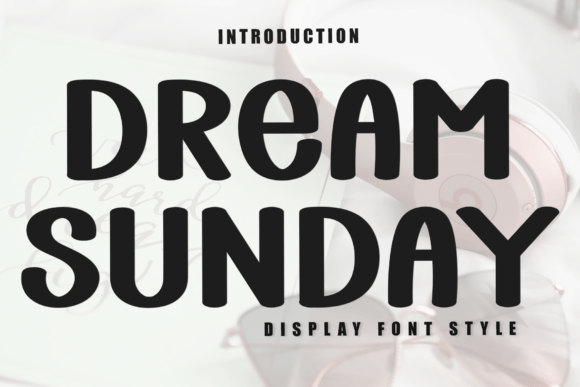
What makes Dream Sunday stand out isn't complexity—it's clarity of purpose. The letterforms have a gentle, rounded quality with distinctive strokes that give each character a sense of individuality. It's not a rigid geometric sans serif font, nor is it a traditional serif font. Instead, it occupies a space that feels organic and intentional, with enough visual interest to catch the eye without overwhelming the content it carries.
This kind of creative font works well when you want your design to feel human. There's a natural warmth in the way the characters flow, which makes it particularly effective for projects where tone matters—whether that's a boutique brand's packaging, a lifestyle blog's header graphics, or a social media campaign that needs to connect with an audience on a personal level. The font's personality is strong enough to be memorable but balanced enough to work across a variety of contexts without feeling out of place.
Where Dream Sunday Fits Best
One of the practical strengths of this premium font is its versatility. In logo design, it can give a brand an approachable, modern identity—especially for businesses in lifestyle, beauty, food, wellness, or creative industries. The softness of the letterforms communicates friendliness and authenticity, which matters when you're building a brand identity that needs to resonate with real people rather than corporate stakeholders.
For editorial design and packaging design, Dream Sunday brings visual texture without sacrificing legibility. Think about a cookbook cover, a product label for artisan goods, or a magazine feature spread. The font's unique character adds depth to the design while keeping the focus on the content. It's the kind of typeface that makes a reader pause and take notice, which is exactly what you want in print materials competing for attention on a shelf or a page.
In web design and social media graphics, Dream Sunday holds its own as well. It works effectively for headlines, callouts, and promotional text where you need personality without clutter. The font's clean structure ensures it renders well on screens, and its visual appeal translates across digital platforms—from Instagram posts to website hero sections to email newsletter banners.
- Brand logos and wordmarks for small businesses and startups
- Wedding invitations, greeting cards, and personal stationery
- Blog headers and content creator graphics
- Product packaging and label design
- Marketing materials like flyers, posters, and brochures
- Digital ads and social media content
- Book covers and self-publishing projects
How the Right Font Shapes Perception
Typography influences visual hierarchy more than most people realize. When you pair Dream Sunday with a clean sans serif font for body text, you create a natural contrast that guides the reader's eye. The display font draws attention to key messages—headlines, product names, taglines—while the supporting typeface handles longer passages with ease. This kind of thoughtful font pairing is what separates a polished design from one that feels flat or disorganized.
Beyond layout, the font you choose affects brand perception. A typeface like Dream Sunday communicates care, creativity, and attention to detail. When a small business uses it consistently across its website, packaging, and social media, it builds recognition and professionalism. Customers may not consciously notice the font, but they'll feel the cohesion—and that consistency builds trust over time.
For content creators and bloggers, the right typeface also impacts audience engagement. A well-chosen display font makes your graphics more shareable, your headers more clickable, and your overall aesthetic more memorable. Dream Sunday's distinctive strokes give your visuals a signature look that people start to associate with your work, which is a quiet but powerful form of brand building.
Practical Guidance for Using Dream Sunday
Before committing to any commercial font, it's worth evaluating whether it genuinely fits your project. Start by looking at the font's personality alongside your brand's tone. Dream Sunday leans warm and creative, so it pairs naturally with brands that value approachability and originality. If your project demands a strictly corporate or highly technical feel, a different typeface might serve you better—and that's perfectly fine. Choosing the right tool for the job is part of good design.
Test the font in context before finalizing your decision. Drop it into a mockup of your logo, your website header, or your packaging layout. See how it looks at different sizes. A display font like Dream Sunday is designed for larger text applications, so evaluate it primarily at headline and title sizes rather than trying to use it for long paragraphs. For body copy, pair it with a readable serif or sans serif font that complements its character without competing for attention.
Check what styles and weights are included with the font family. Some design assets come with regular, bold, and italic variations, while others offer a single style. Knowing what's available helps you plan your typographic system more effectively. Also, review the licensing terms carefully. If you're using Dream Sunday for client work, merchandise, or commercial products, make sure the license covers those applications. Most premium font licenses are straightforward, but it's worth confirming before you launch a project.
Finally, don't underestimate the value of experimentation. Try Dream Sunday alongside different typefaces to find combinations that feel balanced. A script font or handwritten font might create an interesting contrast for certain projects, while a geometric sans serif could ground it for others. The best font pairing decisions come from testing real layouts, not just comparing character sets in isolation.
A Practical Addition to Your Design Toolkit
Dream Sunday isn't trying to be everything—and that's what makes it useful. It fills a specific role in the typographic landscape: a modern typography option with genuine warmth, visual distinction, and broad compatibility across Windows and open-source platforms. Whether you're a designer building out a client's brand identity, an entrepreneur creating packaging for a new product line, or a hobbyist working on a personal craft project, having a font like this available gives you more creative options when the project calls for something with real character.
The best design choices are the ones that serve the work. When a project needs a typeface that feels personal, looks distinctive, and performs reliably across print and digital, Dream Sunday is worth serious consideration. It won't solve every typographic challenge, but for the right project, it brings exactly the kind of soft, unique touch that makes a design feel finished and intentional.