Happy Doodle: A Playful Handwritten Font for Creative Projects
The Authentic Hand-Drawn Feel That Connects
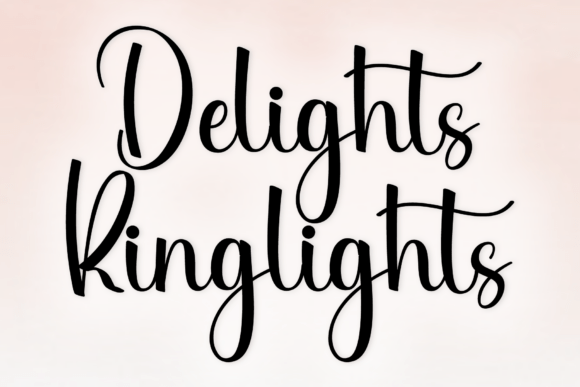
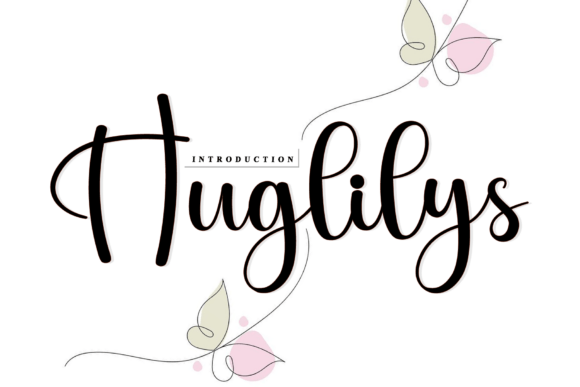
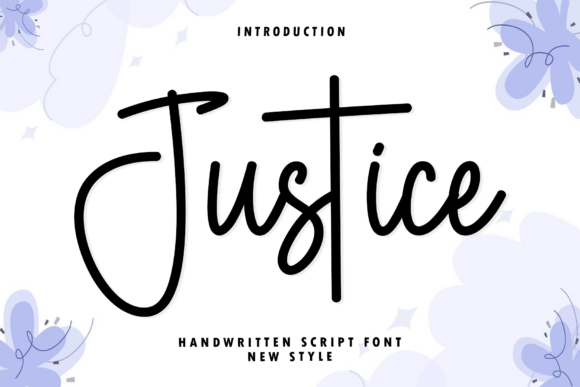
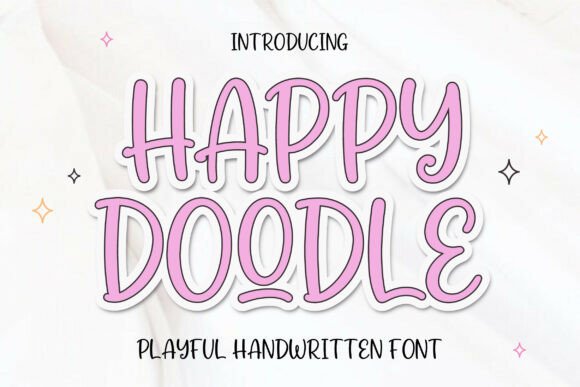
When you're working on a design that needs to feel approachable and genuine, the typeface you choose makes all the difference. Happy Doodle is a handwritten font that captures the warmth of real pen strokes without sacrificing readability. The smooth curves and slightly irregular letterforms give it that authentic quality you get when someone actually puts pen to paper. It's the kind of creative font that feels personal rather than manufactured.
What sets this premium font apart from generic script options is its balance. The rounded shapes keep everything friendly and inviting, while the natural variations in stroke weight prevent it from looking sterile or overly polished. You won't find any of that stiff, robotic quality that plagues so many digital handwriting fonts. Instead, Happy Doodle brings genuine character to whatever you're designing.
Where Happy Doodle Truly Shines
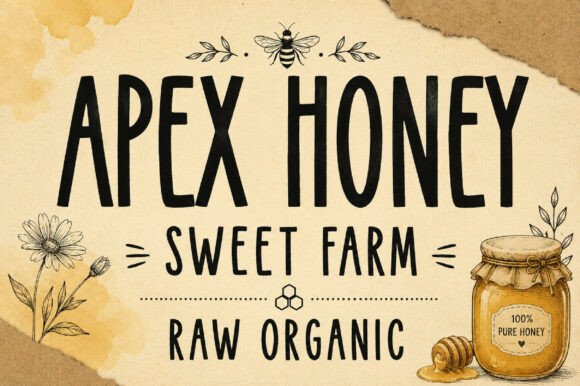
This font works beautifully across a surprising range of applications. For T-shirt designs, it adds that casual, trendy vibe that resonates with younger audiences without feeling juvenile. On mugs and gift items, the friendly letterforms create an immediate emotional connection. Think about those popular quote prints you see at craft fairs—Happy Doodle gives that same handcrafted aesthetic with the consistency you need for professional results.
For branding projects, particularly for small businesses, bakeries, lifestyle blogs, or creative studios, this display font communicates warmth and approachability. It tells potential customers that there's a real person behind the brand, not just a corporate machine. The font works well for logo design when you need something that feels handmade but still polished enough for business cards and signage.
Social media graphics are another sweet spot. Instagram quotes, Pinterest pins, Facebook headers—Happy Doodle adds personality without overwhelming your message. The readability holds up well at smaller sizes, which matters when people are scrolling quickly through their feeds. For posters and event materials, especially for community gatherings, workshops, or casual promotions, it strikes the right tone between professional and approachable.
Understanding Readability and Visual Impact
One thing I always tell clients is that a handwritten font needs to earn its place in a design. Happy Doodle does this well because the letterforms remain distinct even with their playful irregularity. Each character is clearly defined, so readers don't have to work hard to decode your message. This is critical for any editorial design or packaging design where quick comprehension matters.
The font's personality influences how people perceive your content. Rounded, friendly letterforms like these tend to create positive emotional responses. Readers associate them with trustworthiness and warmth. That's why you'll see similar styles used by lifestyle brands, organic food companies, and children's products. Happy Doodle taps into that same psychological territory, making it a smart choice when you want your audience to feel comfortable and connected.
Practical Tips for Using Happy Doodle
Before committing to any creative font, test it in context. Set your actual headlines, not just the alphabet. Check how specific letter combinations look in your target words. With Happy Doodle, pay attention to how the natural flow connects certain letter pairs. Generally, the connections feel organic and smooth, but it's worth verifying with your specific content.
For font pairing, this handwritten style works best alongside clean, simple typefaces. A straightforward sans serif font for body text creates a nice contrast without competing for attention. Avoid pairing it with ornate serif fonts or other decorative scripts—that combination tends to feel cluttered. Think of Happy Doodle as the star of your typographic hierarchy, supported by quieter, more neutral companions.
Consider the medium carefully. This font performs well in web design for headers and callout text, but you probably don't want it for long paragraphs of body copy. For print projects, the slightly organic quality reproduces beautifully on textured paper stocks, which enhances the handcrafted feel. On smooth, glossy surfaces, it still works but might lose some of that tactile charm.
Licensing and Professional Use
Always review the licensing terms before using any commercial font in client work or products for sale. Happy Doodle's license should cover your intended use, but verify specifics around merchandise, digital products, and client deliverables. Most premium font licenses distinguish between personal and commercial applications, so read the fine print carefully.
If you're building a brand identity around this typeface, document your usage guidelines. Specify when to use Happy Doodle, what sizes work best, and how it interacts with your other design assets. Consistency across touchpoints—from your website to your packaging to your social media—builds recognition and professionalism. A font this distinctive deserves a thoughtful implementation strategy.
For entrepreneurs and small business owners exploring modern typography options, Happy Doodle represents a solid investment. It fills that gap between overly casual handwriting fonts and the polished script options that feel impersonal. Whether you're launching a product line, refreshing your blog, or creating marketing materials, this typeface brings genuine warmth to your visual communication. The key is using it intentionally, pairing it wisely, and letting its natural charm enhance rather than dominate your designs.