Fiesta Decorative Alphabets: A Vibrant Tool for Modern Typography
The Visual Character of This Festive Typeface
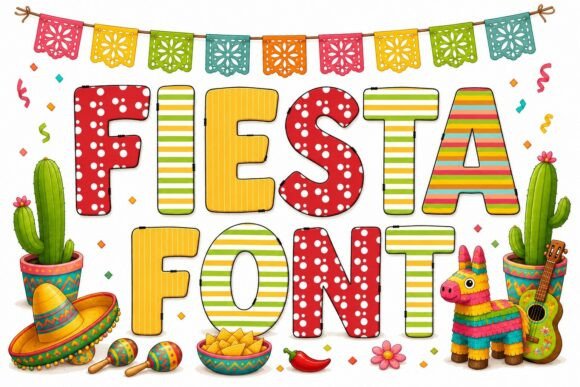
When you first encounter the Fiesta font, the immediate impression is one of uninhibited joy and cultural richness. This isn't a quiet, background typeface; it's a display font designed to command attention. Its visual personality is built on a foundation of playful, doodle-style strokes that mimic the spontaneous energy of hand-drawn art. Each letterform carries a sense of celebration, with details that evoke the textures and shapes found in Mexican folk art, piñatas, and papel picado banners. The overall appeal lies in its ability to inject a burst of life into any project, making it an excellent creative font for designs that need to feel welcoming, festive, and culturally vibrant.
Unlike a clean serif font or a geometric sans serif font, Fiesta embraces organic imperfections. This quality gives it a human touch, which can be a powerful asset in branding and design. It functions as more than just a letter set; it's a design asset that carries a specific mood. Its style leans heavily into the realm of decorative and thematic typography, making it a specialized tool rather than a universal one. Understanding this visual character is the first step in deploying it effectively.
Strategic Applications: Where Fiesta Truly Shines
The real-world value of a premium font like Fiesta is measured by its utility. Its applications span a wide range of creative and commercial projects, particularly where energy and a celebratory tone are paramount. For entrepreneurs and small business owners in the food, beverage, or entertainment industries, this font can become a cornerstone of a seasonal or event-based brand identity. Imagine a restaurant's Cinco de Mayo menu, a food truck's logo, or the branding for a community festival—Fiesta brings an authentic, handcrafted feel that generic fonts cannot replicate.
- Marketing & Digital Presence: It's exceptionally effective for social media graphics, event banners, and email headers promoting sales, parties, or cultural celebrations. Its high visual impact helps content stand out in crowded feeds.
- Publishing & Editorial Design: In editorial design, use it for pull quotes, chapter headings, or feature article titles in lifestyle magazines, travel blogs, or cookbooks focused on vibrant cuisines. It adds a layer of storytelling before a word is even read.
- Product & Packaging Design: For packaging design, Fiesta can elevate products like specialty foods, party supplies, or artisan crafts. It communicates fun and quality, influencing the consumer's perception at the point of sale.
- Personal & Commercial Crafting: The font is a favorite among crafters for T-shirt and merch designs, sublimation projects, stickers and planners, and printable designs. Its playful nature makes it ideal for personalized items that are meant to delight.
However, its strength is also its limitation. Using Fiesta for long body copy or formal corporate communications would be inappropriate. Its role is that of a highlighter—an accent that draws the eye and sets a tone. The key is to match its personality with the project's goals. A children's party invitation is a perfect fit; a legal document is not.
Integrating Fiesta into Your Design Workflow
Adopting any new typeface requires a practical approach. First, always consider readability. While Fiesta is designed for impact, ensure that the specific words you're setting are legible at the intended size and in the chosen medium. Test it in your design software—Adobe Illustrator, Photoshop, Canva, or Figma—to see its true, colored form as intended, not just a black-and-white preview.
Next, think about font pairing. A vibrant display font like Fiesta works best when balanced with a more neutral companion. Pair it with a clean sans serif font for body text to ensure your overall design remains readable and professional. For example, use Fiesta for the main headline of a poster and a font like Open Sans or Lato for the descriptive text. This creates a clear visual hierarchy where the festive element grabs attention, and the supporting text delivers the information clearly.
Evaluate the included styles and character sets. Does it have the punctuation and numerals you need? Check the licensing for your intended use, whether it's for personal projects or commercial merchandise. A responsible designer always reviews these details to ensure compliance and avoid future issues. Finally, don't be afraid to experiment. Apply it to a mockup for a logo design